Imagine this It’s Monday morning. You get ready for work. You step outside. Your bike refuses to start. You call the mechanic. The repair bill is much higher than you expected. You check your bank account. There’s barely enough money left. Suddenly, a small problem feels like a huge crisis. Now imagine a different situation. The same breakdown happens. The mechanic gives you the bill. You pay it. It hurts a little. But life moves on. No panic. No borrowing. No stress. The only difference between these two situations isn’t luck. It’s preparation.
That’s exactly what an emergency fund is for. Most people think saving money is only about buying a house, going on vacation, or purchasing a new phone. Those goals are exciting. But an emergency fund isn’t exciting. It’s boring. And that’s why so many people ignore it. Until life surprises them. The truth is, emergencies don’t send invitations. They simply arrive. A medical bill. A job loss. A broken laptop. A family emergency. A sudden house repair. None of these ask whether your salary just arrived. That’s why having money set aside isn’t a luxury. It’s protection.
So… What Exactly Is an Emergency Fund?
An emergency fund is money you keep only for unexpected situations. Not for shopping. Not for festivals. Not for weekend trips. Not because your favorite phone is on sale. Think of it like a safety helmet. You don’t wear one because you expect an accident today. You wear it because accidents can happen anytime. Money works the same way. If nothing bad happens, great. Your emergency fund stays untouched. If something does happen, you’re ready. As explained on Investopedia, these funds act as a critical financial safety net so you don’t have to rely on high-interest credit cards or loans when things go wrong.
Why So Many People Never Build One
Here’s something interesting. Most people don’t avoid saving because they hate saving. They avoid it because emergencies feel far away. When everything is going well, it’s easy to believe tomorrow will look exactly like today. Then life changes. A friend of mine learned this the hard way. His laptop suddenly stopped working. He was a freelance designer. Without that laptop, he couldn’t earn. Buying a new one wasn’t possible because he had spent almost all his savings during a festival season. For the next few weeks, he had to borrow money just to continue working. The problem wasn’t the broken laptop. The problem was having no backup plan.
How Much Money Should You Actually Save?
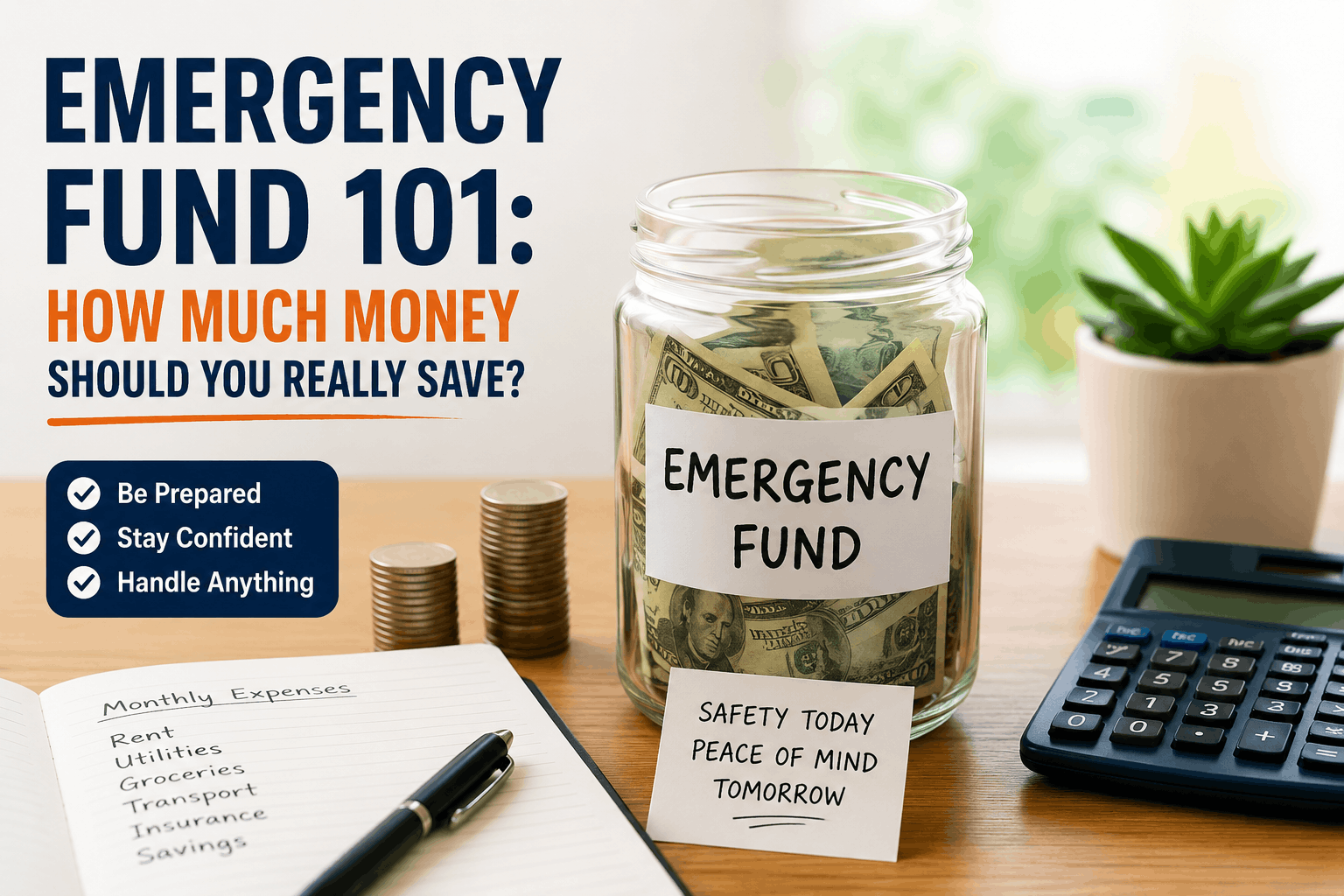
This is where many people become confused. They hear someone say, “You need one year’s salary saved.” Someone else says, “Six months is enough.” Then another person says, “Three months is fine.” So who’s right? The honest answer is… It depends on your life. If you have a stable job and very few responsibilities, three months of essential expenses may be enough. If your income changes every month or you run a business, six to twelve months can provide much more peace of mind.
Notice one important thing. We’re talking about essential expenses. Not luxury spending. Not shopping. Not entertainment. Just the money needed to keep life running. Rent. Food. Electricity. Transport. Medicine. Basic bills. That’s the number you should calculate. Not your entire lifestyle budget.
Don’t Wait Until You Can Save a Huge Amount
This mistake delays thousands of people. They think, “I’ll start an emergency fund after I earn more.” Months pass. Sometimes years. Nothing changes. The funny thing is that emergency funds rarely begin with large deposits. They usually begin with small ones. $500. $1,000. $2,000. Then another deposit next month. And another. Over time, those small amounts quietly become something meaningful. Nobody builds financial security in one weekend. It’s almost always built little by little. If you’re struggling to just take that first step, you can use The 5-Minute Rule: How to Beat Procrastination and Start Anywhere to trick your brain into taking action today.”
Where Should You Keep Your Emergency Fund?
This question is more important than people think. An emergency fund shouldn’t be difficult to access. Imagine needing money immediately but discovering it’s locked inside a long-term investment. That defeats the purpose. Most people prefer keeping emergency savings in a savings account or another safe place where the money is available whenever it’s needed. The goal isn’t earning the highest return. The goal is having quick access when life throws you an unexpected challenge. By now, you’ve probably noticed something. An emergency fund isn’t really about money. It’s about reducing stress. It’s about buying yourself time. And sometimes, time is far more valuable than money itself.
The Biggest Mistakes People Make While Building an Emergency Fund
Building an emergency fund sounds simple. Save money. Don’t spend it. Done. But real life isn’t that simple. Many people start with good intentions and still end up using their savings for things that were never emergencies. A weekend sale isn’t an emergency. A new phone launch isn’t an emergency. A vacation offer isn’t an emergency. Those are choices. An emergency is something you didn’t plan for and couldn’t reasonably avoid. That’s why it helps to ask yourself one question before touching your emergency fund: “If this problem hadn’t happened today, would I still be spending this money?” If the answer is yes, it’s probably not an emergency. That one question can protect months of hard work.
Don’t Keep Your Emergency Fund Mixed with Daily Spending
Imagine keeping your emergency cash in the same wallet you use every day. Sooner or later, you’ll start using it without thinking. One dinner. One online order. One impulse purchase. Little by little, the emergency fund disappears. A separate savings account works much better. When the money isn’t constantly visible, you’re less likely to spend it. Sometimes making money slightly harder to reach actually helps you save it.
What If You Already Have Debt?
Many people ask this question. Should I pay off debt first or build an emergency fund? In reality, trying to choose only one isn’t always the best approach. Imagine using every extra “dollar” to clear debt. Then your bike breaks down next month. Without any savings, you may end up borrowing again. Now you’re back where you started. That’s why many financial experts suggest building a small emergency fund first while continuing to manage debt responsibly.
Even a modest backup can prevent one emergency from becoming another loan. To manage this balance smoothly, a great strategy to follow is The 50/30/20 Budget Rule Explained for Beginners, which helps you split your income between savings, bills, and debt payoff without stress.”
Your Emergency Fund Will Change as Your Life Changes
Think about your life five years ago. Your expenses were probably different. Your responsibilities were different too. The same thing will happen in the future. If you get married… Start a business… Buy a house… Or have children… Your emergency fund should grow with those changes. It’s not something you calculate once and forget forever. Checking it once or twice a year is usually enough. A quick review can tell you whether your savings still match your current lifestyle.
Don’t Compare Your Emergency Fund with Someone Else’s
One person may need $600. Another may need $6000. Neither number is automatically right or wrong. Everyone’s situation is different. Someone with a government job may feel secure with a smaller emergency fund. A freelancer whose income changes every month may need a much larger one. The goal isn’t copying someone else’s number. The goal is creating a safety net that works for your own life.
Financial Peace Isn’t Built in One Day
People often think financial security comes from earning a huge salary. Sometimes it does. But more often, it comes from making calm, consistent decisions over many years. This is all about mastering The Psychology of Money and understanding how small mindset shifts can quietly build long-term wealth. Saving a little every month may not feel exciting. You probably won’t post about it on social media. Nobody will congratulate you. But one unexpected emergency could remind you why it mattered. That’s when all those small deposits suddenly become one of the smartest decisions you ever made.
Final Thoughts
Life is unpredictable. Nobody can stop unexpected problems from happening. But we can decide how prepared we want to be when they arrive. An emergency fund won’t remove every challenge. It won’t prevent bad news. It won’t stop things from breaking. What it can do is give you options. Instead of borrowing money immediately… You can use your own savings. Instead of panicking… You can focus on solving the problem. If you’re thinking about starting today, don’t worry about saving a huge amount.
Start with whatever you can comfortably afford. $10. $20. Even less if that’s what your budget allows. The important part isn’t the amount. The important part is building the habit. Your future self will probably thank you for it.
Frequently Asked Questions
How much should I keep in an emergency fund?
A common recommendation is to save three to six months of essential living expenses. If your income is irregular or you’re self-employed, saving more may provide extra security.
Where should I keep my emergency fund?
Keep it somewhere safe and easy to access, such as a savings account. The money should be available quickly whenever a genuine emergency happens.
Can I invest my emergency fund?
An emergency fund is meant for quick access, so it usually shouldn’t be placed in investments that could lose value or take time to withdraw.
What’s the easiest way to start an emergency fund?
Start with a small monthly amount that fits your budget. Consistency matters far more than starting with a large deposit.
If this article helped you understand emergency funds better, share it with someone who is starting their financial journey. One simple habit today can prevent a lot of financial stress tomorrow.
Related Articles:
The Psychology of Money: 7 Mindset Shifts That Build Wealth
The 50/30/20 Budget Rule Explained for Beginners (A Simple Guide to Managing Money Without Stress)
Loud Budgeting: Why Saying “No” to Spending Is the New Status Symbol