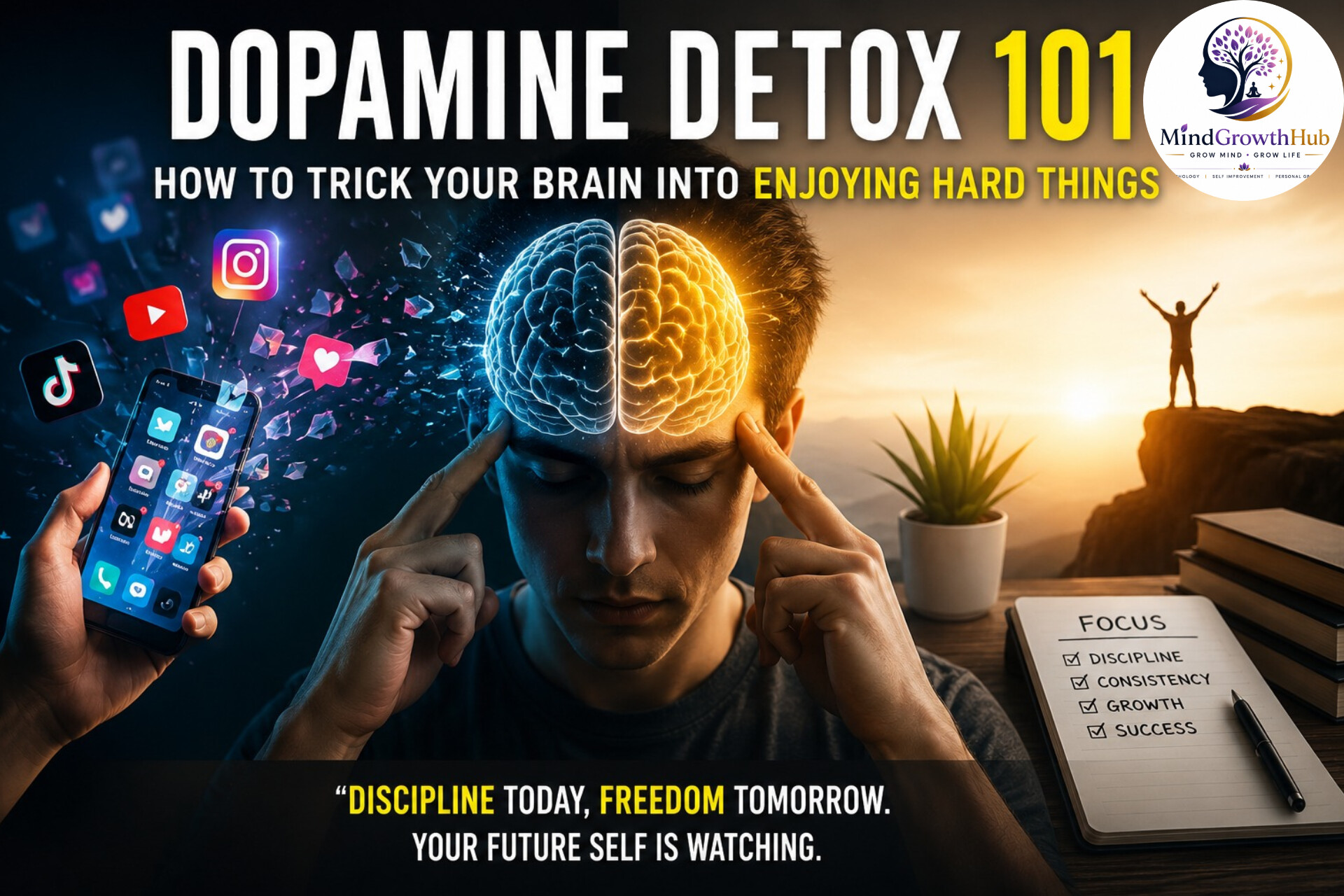
Ever noticed something strange? You can scroll social media for 2 hours without getting tired. But the moment you sit down to study, work, exercise, or learn a new skill… your brain suddenly says: “Nah, let’s do it tomorrow.” Sounds familiar? You’re not lazy. Your brain is simply addicted to easy dopamine. The good news? You can actually train your brain to enjoy hard things. Yes, seriously. Let’s talk about how.
First, What Is Dopamine?
Most people think dopamine is the “pleasure chemical.” Not exactly. Dopamine is the motivation chemical. It pushes you to chase rewards. Thousands of years ago, this was useful. Humans got dopamine from hunting, building, learning, and achieving goals. Today? We get dopamine instantly. One tap on your phone. One YouTube video. One Instagram reel. One online game. Your brain now receives more stimulation in one day than our ancestors probably got in weeks. And that’s a problem.
Why Hard Things Feel Boring
Imagine this. You spend an entire evening watching TikTok. Fast videos. Funny memes. Exciting content every few seconds. Now try opening a textbook. Suddenly, studying feels painfully boring. Why? Because your brain is comparing studying with highly stimulating activities. And honestly, books don’t stand a chance. It’s like eating candy all day and then expecting broccoli to taste amazing. Your brain simply says: “Give me more candy.”
So, What Is a Dopamine Detox?
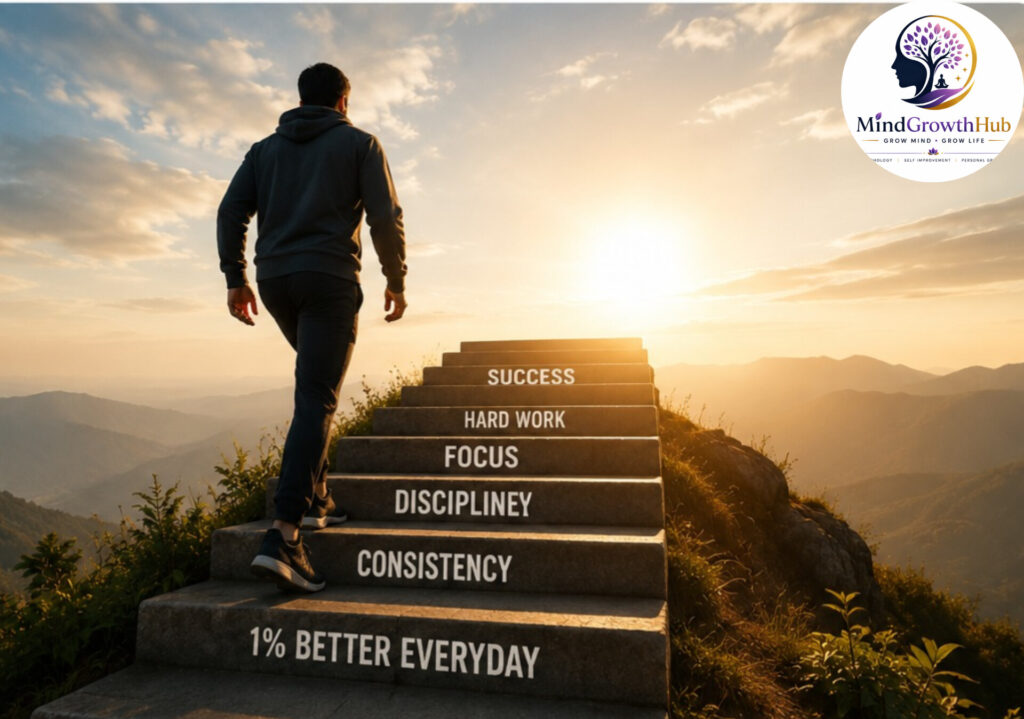
A dopamine detox doesn’t mean removing dopamine. That’s impossible. Instead, it means reducing unnecessary stimulation for some time. You’re basically giving your brain a reset. Less instant gratification. More focus on meaningful activities. Simple.
Signs You Might Need a Dopamine Detox
You constantly check your phone. You struggle to focus for even 10 minutes. You feel bored quickly. You keep procrastinating important work. You jump from one app to another without thinking. You know what needs to be done, but still avoid it. If this sounds like you, don’t worry. You’re definitely not alone. Millions of people experience the same thing.
How to Trick Your Brain Into Enjoying Hard Things
1. Make Hard Tasks Stupidly Easy
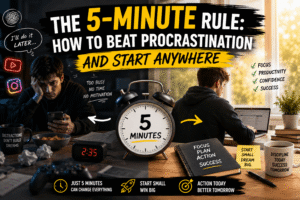
Want to start exercising? Don’t promise yourself 1 hour at the gym. Start with 5 minutes. Want to read? Read one page. Want to study? Study for 10 minutes. That’s it. Why? Because starting is usually the hardest part. Once you begin, continuing becomes much easier.
Real-life example: Many successful writers don’t start by saying: “Today I’ll write 5,000 words.” They simply say: “I’ll write one sentence.” One sentence often turns into a full page.
2. Remove Easy Dopamine Before Important Work
Before studying or working, avoid:
- Social media
- Gaming
- Short videos
- Endless scrolling
At least for an hour. Your brain needs some boredom. Boredom isn’t bad. Boredom is actually where creativity begins. Think about it. Some of your best ideas probably came while showering, walking, or doing nothing. That’s not a coincidence.
3. Reward Yourself After Hard Work
Your brain loves rewards. Use that. Example: Study for 45 minutes. Then enjoy a coffee. Finish a workout. Then watch your favorite show. Complete an article. Then spend 20 minutes on social media. The key? Reward comes after effort. Not before.
4. Learn to Be Bored Again
This sounds weird. But it’s powerful. Sit quietly for 10 minutes. No phone. No music. No notifications. Just sit. At first, it’ll feel uncomfortable. Your brain will scream for stimulation. Ignore it. Over time, your focus will improve dramatically.
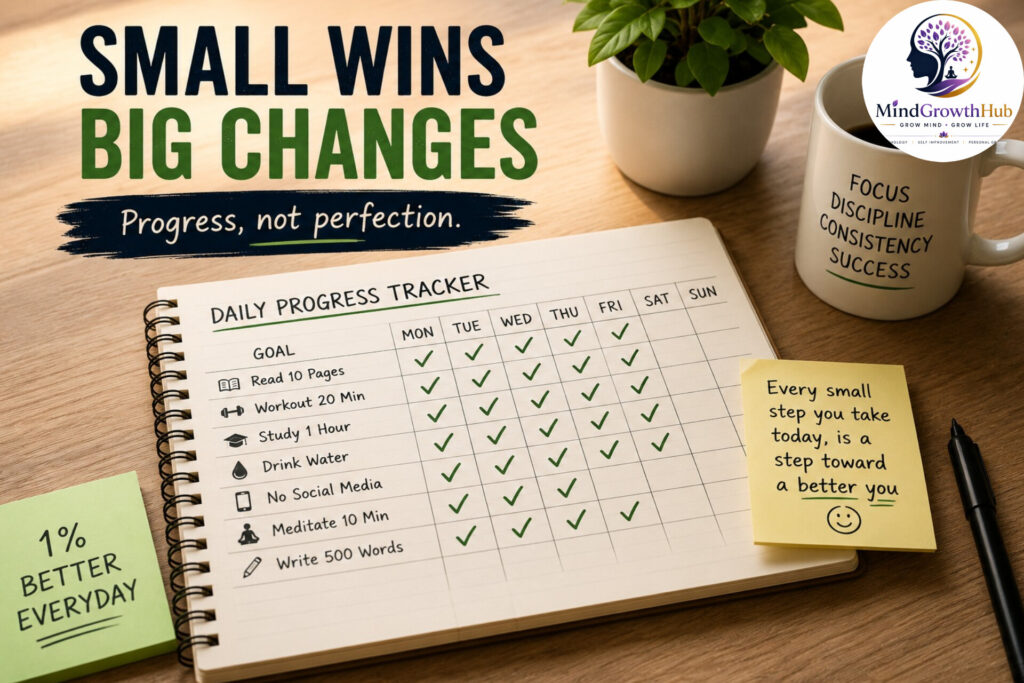
5. Track Small Wins
Your brain loves progress. Keep a simple journal. Write things like:
- Read 10 pages.
- Exercised for 15 minutes.
- Finished one assignment.
- Wrote 500 words.
Small wins create momentum. Momentum creates motivation. Motivation creates success.
The Truth Nobody Talks About
You’re never going to wake up every day feeling motivated. Nobody does. Not even highly successful people. They simply build systems. They show up even when they don’t feel like it. And surprisingly, action creates motivation. Not the other way around.
Final Thoughts
Your brain isn’t broken. It’s simply living in a world full of distractions. The secret isn’t becoming more disciplined overnight. The secret is gradually reducing easy dopamine and making hard things easier to start. Start small. Stay consistent. Your future self will thank you. And who knows? The things you struggle with today might eventually become the things you genuinely enjoy. One small step at a time.